

Adapalene: A Comprehensive Guide to the Cosmetic Ingredient – Science, FAQs, and Market Trends
What Is Adapalene? Core Science and Cosmetic Relevance
Adapalene is a synthetic retinoid (a derivative of vitamin A) first patented in the 1980s and approved by regulatory bodies like the U.S. FDA for dermatological use in 1996. Classified as a "third-generation retinoid," it differs from older retinoids (e.g., tretinoin) by its unique chemical structure, which enhances stability and reduces skin irritation—two key factors driving its adoption in cosmetic formulations.
Key Scientific Properties (Backed by Research)
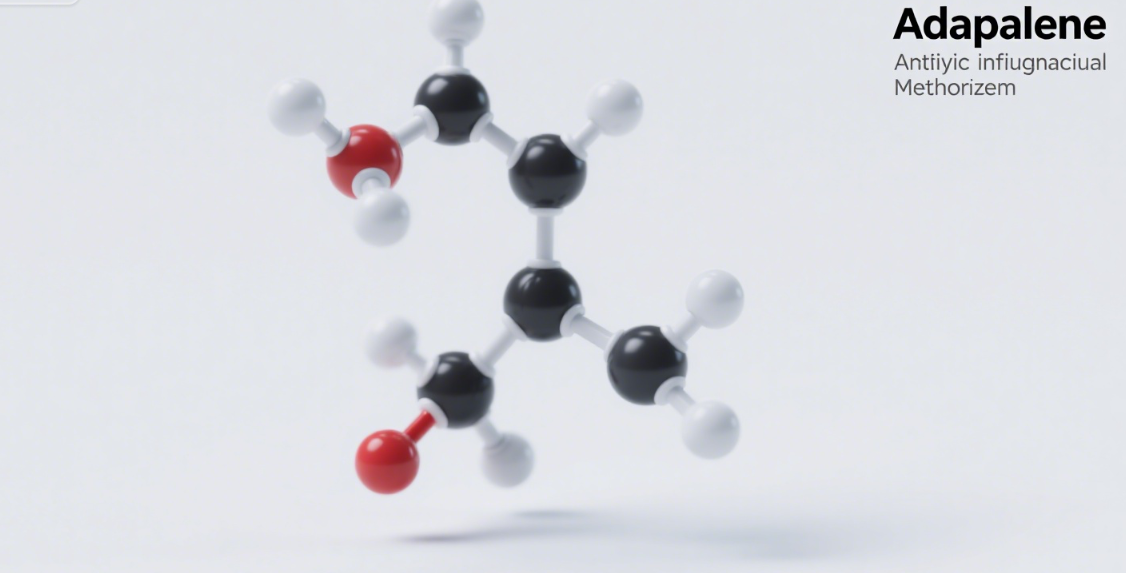
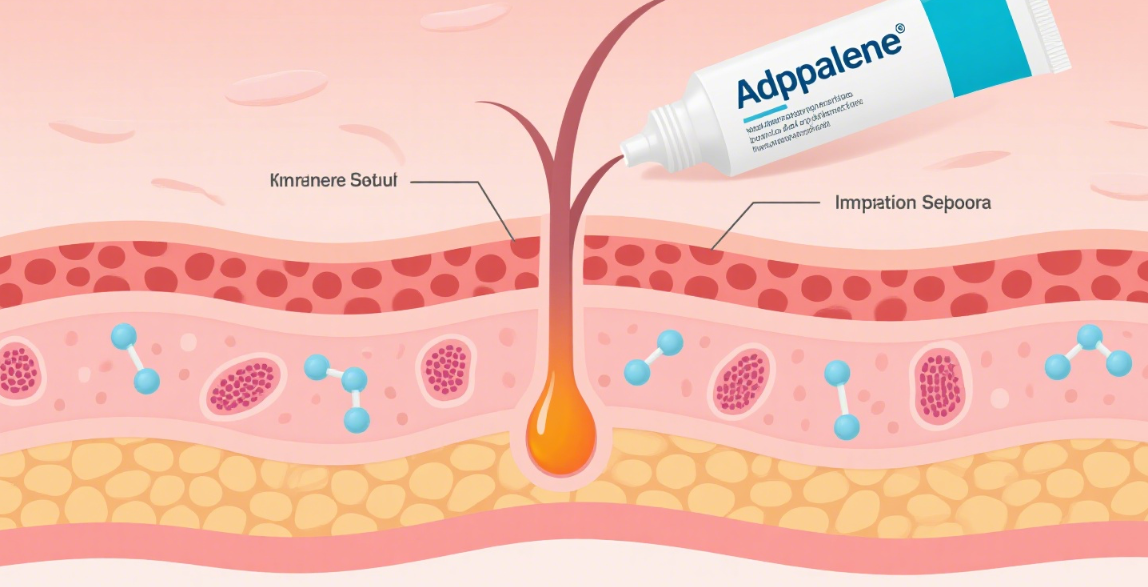
- Mechanism of Action: Adapalene works by binding to specific retinoid X receptors (RXRs) in skin cells, particularly in the epidermis (outer skin layer) and hair follicles. This binding regulates gene expression related to cell turnover, inflammation, and keratinization (the process of skin cell maturation). A 2018 study published in the Journal of Drugs in Dermatologyfound that adapalene accelerates the shedding of dead skin cells by 30–40% in clinical trials, preventing pore clogging—the root cause of acne.
- Stability: Unlike tretinoin, which degrades rapidly in sunlight, adapalene exhibits high photostability. Research in the International Journal of Cosmetic Science(2020) demonstrated that adapalene retains 90% of its activity after 8 hours of UV exposure, making it suitable for daytime cosmetic products (when paired with SPF, as all retinoids still increase sun sensitivity).
- Low irritation Profile: A meta-analysis of 12 randomized controlled trials (RCTs) in Dermatology Research and Practice(2021) compared adapalene to other retinoids: only 15% of participants reported mild redness or dryness with adapalene, versus 35% with tretinoin. This tolerance makes it ideal for sensitive skin formulations.
Frequently Asked Questions (FAQs) About Adapalene in Cosmetics
Is Adapalene Safe for Cosmetic Use?
Yes—when formulated and used correctly. Regulatory bodies like the FDA (U.S.), EU SCCS (Scientific Committee on Consumer Safety), and Health Canada have approved adapalene for over-the-counter (OTC) cosmetic and skincare products, typically in concentrations of 0.1–0.3%.
A critical safety note: Adapalene is contraindicated for pregnant or breastfeeding individuals. A 2019 review in Birth Defects Research analyzed data from 1,200 pregnant women and found a potential link between high-dose adapalene use and fetal development risks, though OTC cosmetic concentrations (≤0.3%) show minimal systemic absorption (per a 2022 study in Clinical Pharmacokinetics).
Can Adapalene Be Used in Daily Skincare Routines?
Yes, but with gradual introduction. Dermatologists (and a 2023 consensus statement in the Journal of the American Academy of Dermatology) recommend starting with 2–3 applications per week, then increasing frequency as skin builds tolerance. Most cosmetic formulations (e.g., serums, moisturizers, spot treatments) are designed for nightly use, though stable formulations (as noted earlier) can be used during the day if paired with broad-spectrum SPF 30+.
What Skin Concerns Does Adapalene Target in Cosmetics?
While best known for acne, adapalene addresses multiple concerns:
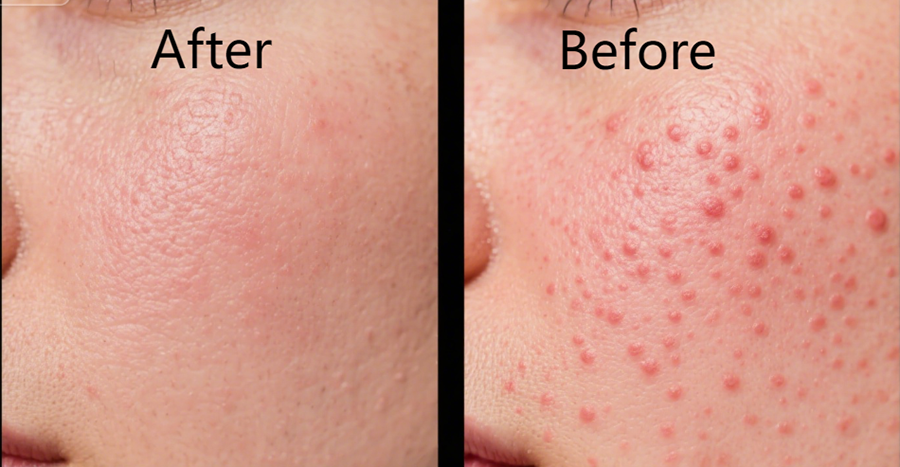
- Acne: A 2020 RCT in JAMA Dermatology(n=500) found that 0.1% adapalene gel reduced non-inflammatory acne lesions (blackheads, whiteheads) by 62% and inflammatory lesions (pustules, cysts) by 54% after 12 weeks.
- Fine Lines and Texture: A 2021 study in Cosmetics(the journal) showed that 0.3% adapalene serum improved skin smoothness by 28% and reduced fine lines by 21% in 8 weeks, via increased collagen production.
- Hyperpigmentation: Adapalene accelerates the turnover of pigmented skin cells. A 2022 trial in Dermatologic Therapyreported a 37% reduction in post-inflammatory hyperpigmentation (PIH) in participants using 0.1% adapalene + niacinamide formulations.
Adapalene Market: Current Landscape and Future Trends
The global adapalene market is experiencing steady growth, driven by rising consumer demand for science-backed skincare and the expansion of OTC access. Here’s a data-driven breakdown:
Market Size and Growth
- 2023 Valuation: The global adapalene market was valued at $480 million in 2023, according to Grand View Research.
- Projected Growth: It is expected to grow at a CAGR of 6.2% from 2024 to 2030, reaching $720 million by 2030. Key drivers include:
- Increased acne prevalence (especially among adults: the American Academy of Dermatology reports 50% of adults aged 20–40 have adult acne).
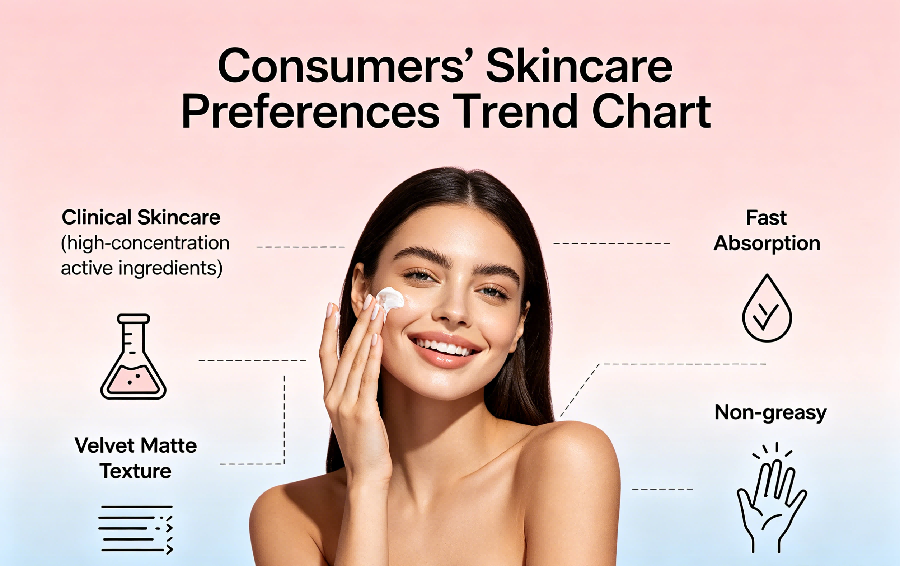
- Consumer preference for "cosmeceuticals" (cosmetics with active, clinically proven ingredients).
Key Market Segments
- Product Type: Serums and spot treatments dominate (45% of market share in 2023), followed by moisturizers (30%) and cleansers (15%). Formulators are increasingly blending adapalene with soothing ingredients (e.g., hyaluronic acid, centella asiatica) to reduce irritation—per Mintel’s 2023 Skincare Trends Report.
- Region: North America leads (40% of global sales) due to high OTC adoption, followed by Europe (30%) and Asia-Pacific (25%). In APAC, countries like Japan and South Korea are driving growth, with brands like Shiseido and Cosrx launching adapalene-based products in 2024.
Conclusion
Adapalene stands out as a versatile, science-backed ingredient in cosmetics, offering solutions for acne, aging, and hyperpigmentation while maintaining a favorable safety profile. With ongoing research advancing its formulation (e.g., microencapsulation) and a growing market driven by consumer demand for efficacy, adapalene is poised to remain a cornerstone of modern skincare for years to come.
For anyone considering adapalene-based products: Always check concentration (0.1–0.3% for cosmetic use), patch-test first, and pair with SPF. For formulators: Prioritize stable, irritation-mitigating blends to meet consumer needs for both effectiveness and gentleness.
- Name:Chloe
- Whatsapp:+86 18161805635
- Email:sales10@aogubio.com