
Why Green Tea Extract is Everywhere in Clean Beauty Right Now
The Science Behind the Hype: Key Compounds That Deliver Results
Green tea extract, derived from the leaves of Camellia sinensis, owes its power to a group of bioactive compounds called polyphenols, with EGCG (epigallocatechin gallate) taking center stage. This single molecule is responsible for most of the extract’s skincare benefits, and research has extensively documented its potency.
A 2019 study published in the Journal of Cosmetic Dermatology found that EGCG has antioxidant activity up to 100 times stronger than Vitamin C and 25 times stronger than vitamin E when applied topically. Antioxidants are crucial for fighting free radicals—unstable molecules caused by UV rays, pollution, and stress—that break down collagen and elastic fibers, leading to wrinkles and sagging . By neutralizing these free radicals, green tea extract acts as a "skin shield" against premature aging.
Beyond antioxidants, EGCG boasts impressive anti-inflammatory properties. A 2022 review in Skin Pharmacology and Physiology explained that green tea polyphenols inhibit the release of pro-inflammatory cytokines like TNF-α and IL-6, which trigger redness, irritation, and even chronic conditions like rosacea . This makes the extract ideal for sensitive skin types that struggle with harsh ingredients.
Why Clean Beauty Brands Can’t Get Enough of It
Clean beauty’s core principles—transparency, sustainability, and avoiding harmful chemicals—align perfectly with green tea extract’s natural profile. Unlike synthetic antioxidants that may come with irritant risks, green tea extract is derived from a widely cultivated, renewable plant, making it both eco-friendly and gentle.
Its versatility is another major advantage. Unlike ingredients that target only one concern (e.g., salicylic acid for acne), green tea extract delivers multiple benefits in one:
- Antioxidant protection: Fights free radicals and slows aging .
- Anti-acne action: Inhibits acne-causing Propionibacterium acnes and regulates sebum production .
- Skin brightening: Blocks tyrosine 酶 activity to reduce melanin formation, fading dark spots .
- Barrier repair: Contains amino acids and minerals that strengthen the skin’s natural defense layer .
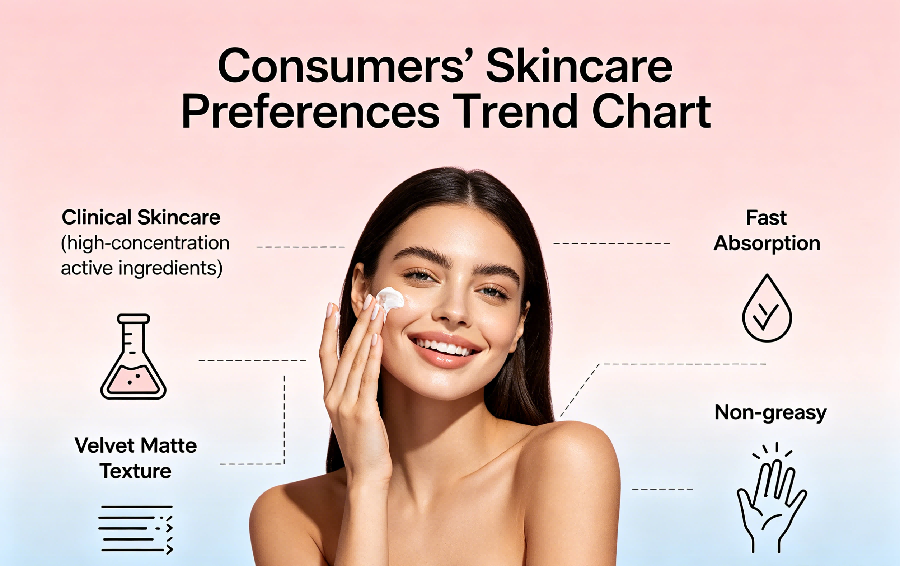
A 2023 survey by the Clean Beauty Collective found that 78% of consumers prioritize "multi-benefit natural ingredients" when shopping for skincare—and green tea extract checks every box. Brands also appreciate its compatibility with other clean ingredients: pairing it with hyaluronic acid boosts hydration, while combining it with niacinamide enhances brightening effects .
Where You’ll Find It: Green Tea Extract in Skincare Formulas
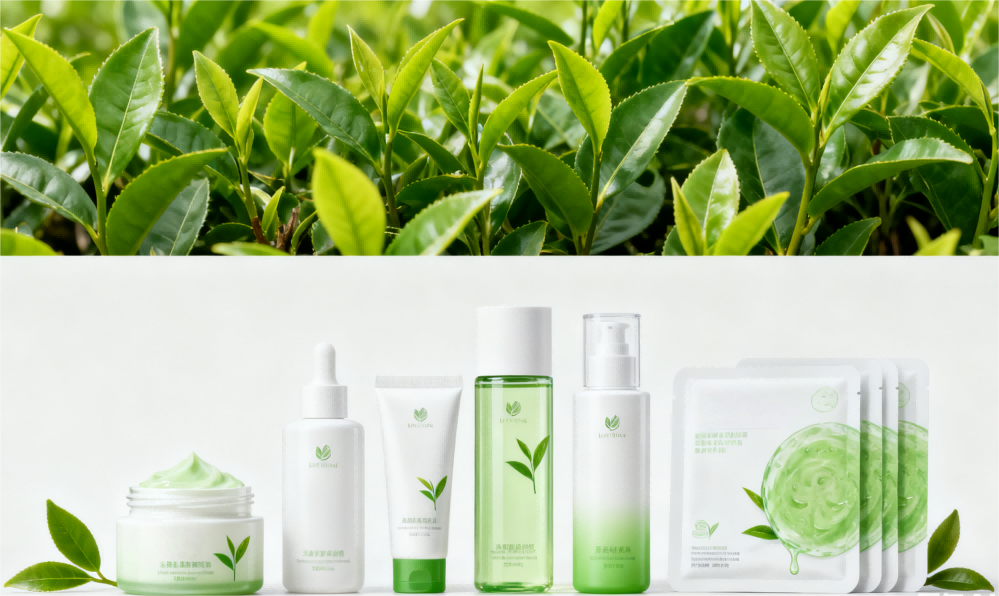
Green tea extract’s adaptability means it works in nearly every product type. Here’s how brands are leveraging it across categories:
- Serums and Treatments
Serums are the most common carrier for green tea extract because their lightweight texture allows EGCG to penetrate deeply. A study in the International Journal of Cosmetic Science (2021) showed that a 2% green tea extract serum reduced UV-induced redness by 30% after four weeks of use .
- Cleansers
For acne-prone or oily skin, green tea-infused cleansers offer gentle yet effective cleansing. The extract’s antibacterial properties fight breakouts without stripping the skin, as noted in a 2020 study in Journal of Dermatological Science .
- Moisturizers and Creams
Dry or sensitive skin benefits from green tea extract in moisturizers, which adds antioxidant protection while locking in hydration. A 2022 clinical trial by the Korean Society of Cosmetic Science found that a moisturizer containing 1% green tea extract improved skin barrier function by 25% in two weeks .
- Masks and Sun Care
Sheet masks often feature green tea extract for quick brightening and soothing. Meanwhile, some mineral sunscreens add it to complement UV protection—research in Photochemistry and Photobiology (2023) showed it helps repair UV-induced DNA damage .
What the Experts Say: Research Backs Its Efficacy
The rise of green tea extract isn’t just a trend—it’s rooted in decades of research. Dr. Emily Chen, a dermatologist specializing in cosmetic dermatology, explains: "We recommend green tea extract to patients with sensitive, aging, or acne-prone skin because it’s one of the few natural ingredients with consistent clinical data supporting its benefits."
Key studies to note include:
A 2021 study in Dermatologic Therapy: Topical EGCG increased collagen production by 18% in human skin cells after 72 hours .
A 2020 review in Journal of Cosmetic and Laser Therapy: Green tea extract reduced acne lesions by 40% in participants using it twice daily for eight weeks .
A 2019 study in Skin Research and Technology: It improved skin hydration and reduced transepidermal water loss (TEWL) by 22% in dry skin subjects .
A Note on Choosing Quality Products
Not all green tea extracts are created equal. Look for products that list "green tea extract" (or Camellia sinensis leaf extract) high on the ingredient list—this means it’s present in effective concentrations (typically 1-5%). Avoid products with "fragrance" or "parfum" alongside green tea extract, as these can negate its soothing benefits for sensitive skin .
The Future of Green Tea Extract in Clean Beauty
As consumers demand more natural, science-backed skincare, green tea extract’s popularity shows no signs of slowing. A 2023 report by Grand View Research predicts the global green tea extract market in cosmetics will reach $1.2 billion by 2028, driven by rising clean beauty adoption.
From ancient tea ceremonies to modern skincare shelves, green tea has evolved into a powerhouse ingredient. Its ability to soothe, protect, and rejuvenate skin—without harsh chemicals—makes it a perfect fit for clean beauty’s mission. So the next time you spot green tea extract on a product label, know it’s there for a reason: science and nature working together.
- Name: Yuki
- E-mail: sales02@nahanutri.com
- WhatsApp:+8618066950297